
Wednesday, 13 April 2011

Photos of Final Model: Piezoelectric Blanket, "BlizzyBody"
I finished my final appearance model for the piezoelectric blanket, "BlizzyBody", today. It's also somewhat of an operational model, as you can plug in cords and use the actuator to simulate what it would feel like to use this as a real product. The blanket itself is 1500 mm by 1120 mm (1.5 meters by 1.12 meters), about 1 centimeter thick, and it comes with a "transformer" that allows for 2 actuators to be used at once.
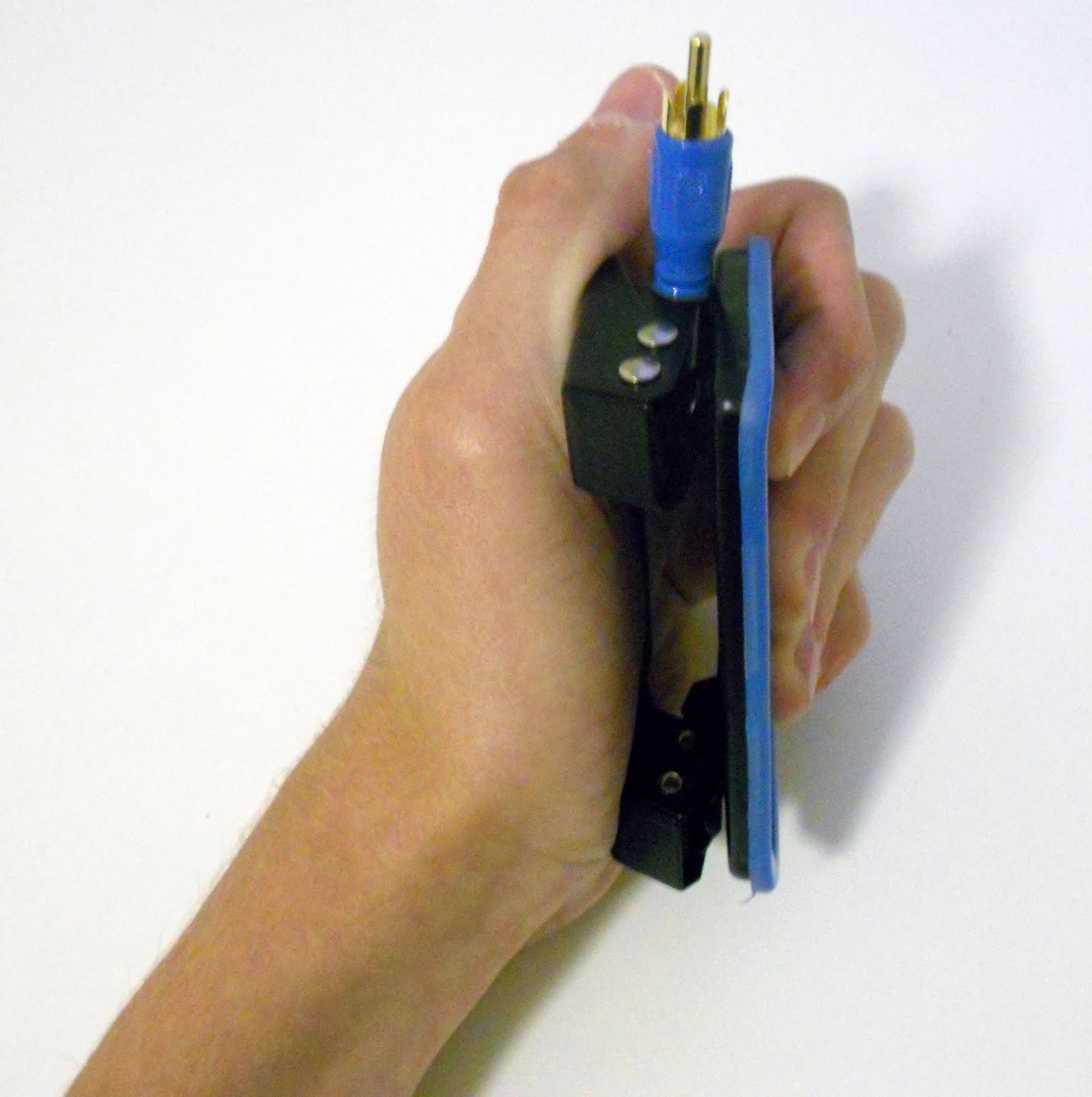
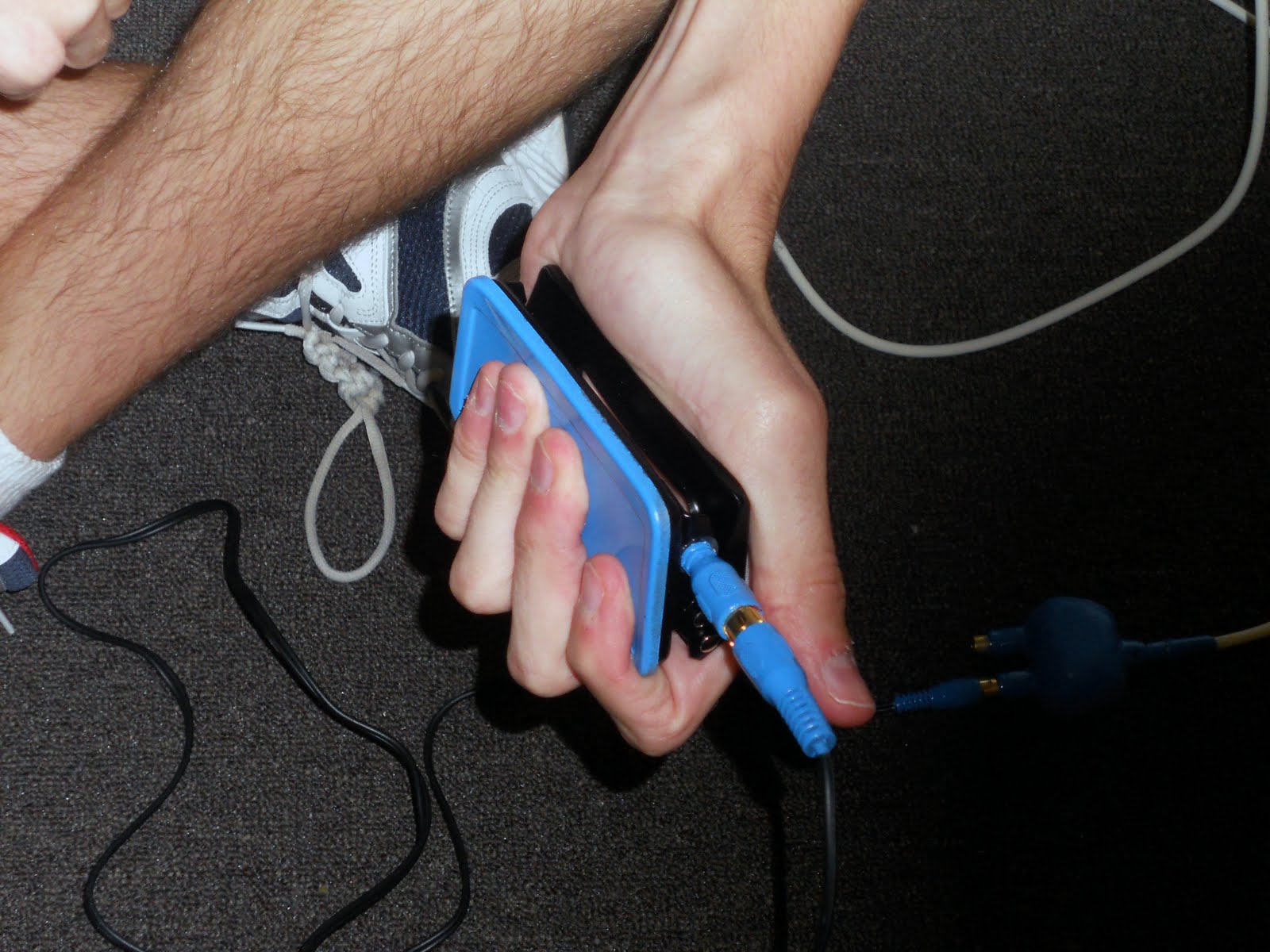
My idea is for the blanket to be used ideally by 2 people at once, sharing it (and sharing body warmth, too), with each person adding power to it by using either hands or feet. The final design incorporates an actuator to power the blanket that can be used either as a hand-held actuator or as a foot-pedal actuator (one design suits both). It comes with two of these actuators, each with a cord length of 1.5 meters, and each person using it has the choice of whether they want to power it by hand or foot. At the same time, one person can choose to "dual-wield" and use one actuator in each hand, one in a hand and one under a foot, or etc. The inner lining of the blanket is a silver fabric that is meant to simulate "space blanket" or "microtec" technology, specially designed lining that insulates body heat and slows down possible drops in body temperature. Where the "BlizzyBody" surpasses space blankets, though, is the fact that it allows the user not only to insulate body heat but also to generate heat, no electrical outlet required. With the "BlizzyBody", keep your hands or feet busy and you'll stay warm.

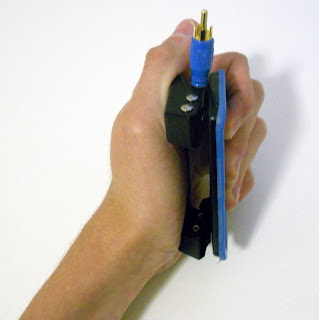


My idea is for the blanket to be used ideally by 2 people at once, sharing it (and sharing body warmth, too), with each person adding power to it by using either hands or feet. The final design incorporates an actuator to power the blanket that can be used either as a hand-held actuator or as a foot-pedal actuator (one design suits both). It comes with two of these actuators, each with a cord length of 1.5 meters, and each person using it has the choice of whether they want to power it by hand or foot. At the same time, one person can choose to "dual-wield" and use one actuator in each hand, one in a hand and one under a foot, or etc. The inner lining of the blanket is a silver fabric that is meant to simulate "space blanket" or "microtec" technology, specially designed lining that insulates body heat and slows down possible drops in body temperature. Where the "BlizzyBody" surpasses space blankets, though, is the fact that it allows the user not only to insulate body heat but also to generate heat, no electrical outlet required. With the "BlizzyBody", keep your hands or feet busy and you'll stay warm.
 |
| Wearing the "BlizzyBody", cords and actuator to right |
 |
| Inner lining of blanket |
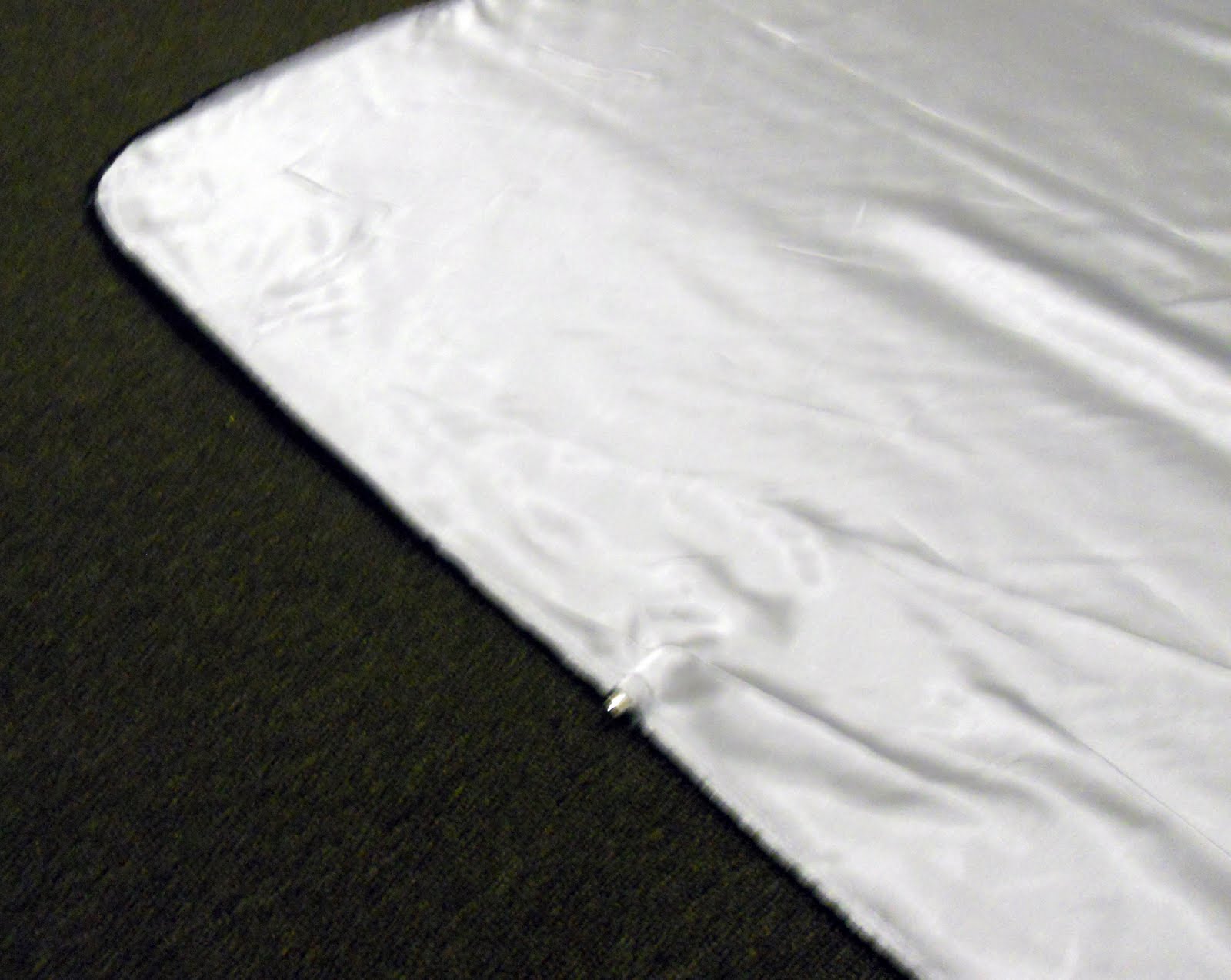 |
| This is where you plug in the actuator |
 | |
| It's small, but the smaller the better for washing purposes (the blanket can be washed in a washing machine on gentle/delicate cycle)--I also didn't want the plug to weigh down the blanket in any way |
 |
| Cords along with an actuator |
 |
| Two actuators--it comes packaged with two |


 |
| The "transformer" with two sockets for actuators. The white end of the cord is what you actually plug into the blanket, and the black cords from the actuators plug into these two blue sockets. |


 |
| Here I am using the actuator by hand |

 |
| Here I am using the actuator as a foot pedal |


 |
| Roughly the size of a regular single-sized bed |
 |
| Easily rolled up for storage or transportation |

3-D Research: Heaps of Sketch Models and Toys
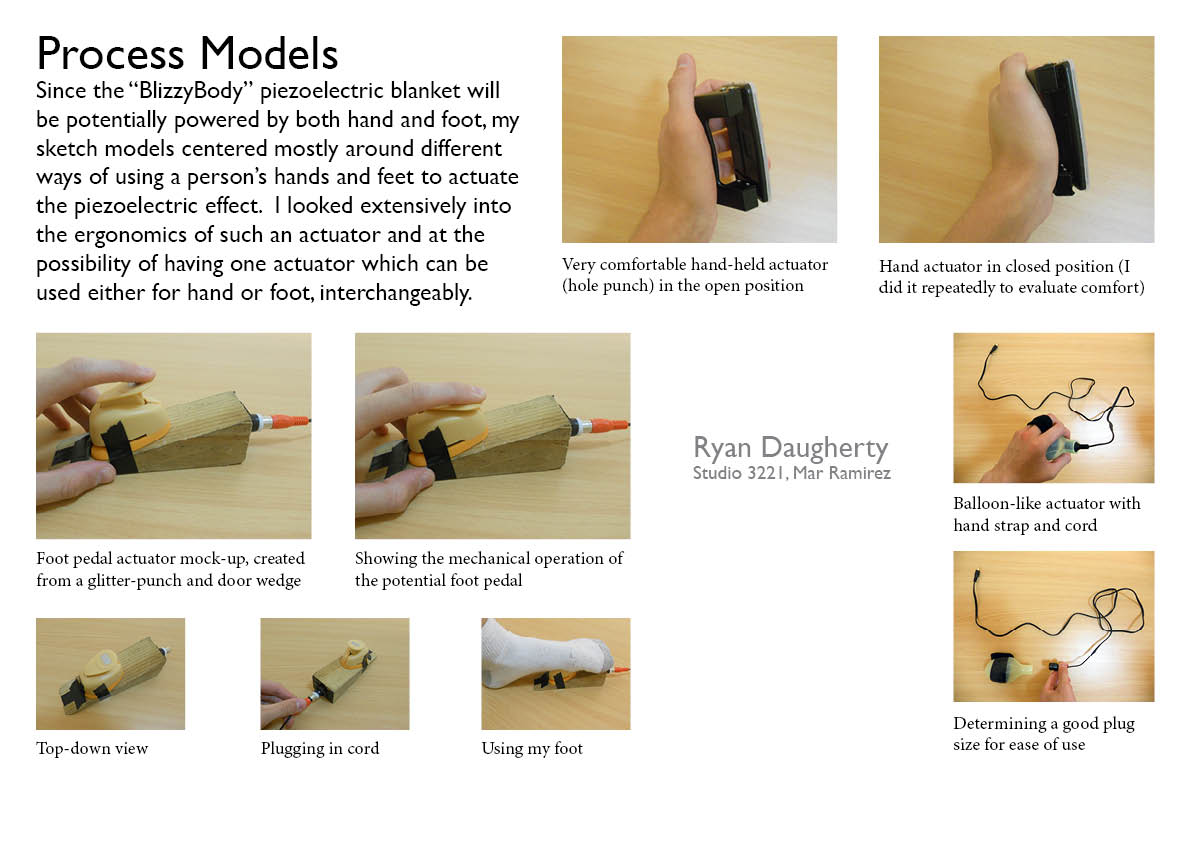
Throughout my design process for this project, three-dimensional models and things that you can actually feel, move, and play with have been a major part of my lines of thinking. As you can see and read below, I did a combination of experimenting with found mechanical objects to see how they work and creating props from scratch to experiment with ergonomics, size, and shape. I found myself going to cheap gift shops and similar stores for inspiration, buying tools and small appliances so that I could play with them and take them apart. It was all just a day in the life of trying to figure out what the best piezoelectric actuator would be (what it would look like, feel like, and handle like).



Monday, 11 April 2011
Sketch Models
These are just a few of the sketch models that I've created for testing my ideas physically. For a hand actuator for the electric blanket I'm designing, my first idea was to make something that you can squeeze, kind of like a balloon shape. Sadly, I've realized that this probably would not work in a real situation, as the piezoelectric effect requires a more rigid material--the more rigid and more difficult it is to physically move the material, the more energy the piezo wires/film will create. I'm thinking now more along the lines of exercise grips, a hand-held hole-puncher I found, and related objects for inspiration. Other ideas that I tested in my models thus far are the option to have a removable cord/plug from the hand-actuator, a hand strap that you can wear so that you don't even have to exert any effort in holding the actuator, and different holding positions that are decided by the size and shape of the actuator. I made several sizes and shapes of potential actuators out of green floral foam, putting emphasis in my testing on ergonomics of comfortably holding the form in the palm of your hand.


"BlizzyBody" Progress Poster
This is a progress poster that I created for my "BlizzyBody" concept, an electric blanket that uses piezoelectricity from hand-powered and foot-powered interfaces to heat a person's body. As you can see below, some of my ideas include having a strap or belt that allows the user to secure the blanket to themselves, a snap-lock belt for tying the blanket into a rolled-up position for easy transport, and a hand-held actuator that you squeeze to generate electricity.


Sunday, 10 April 2011
Visual Diary Pages for Designing for Disasters: Blizzards
Shown below are some pages from my visual diary relating to our designing for disasters project. I'm designing a hand-powered, or alternatively foot-powered, piezoelectric blanket. More info will come in the next few posts but for now you can see some of my ideas and explorations of product possibilities.
This post originally just contained a few of my visual diary pages, but I've recently scanned in all of the pages from my visual diary, so now you can see most of my ideas and research below (in reverse chronological order, so the first page is at the bottom and newest at the top).


This post originally just contained a few of my visual diary pages, but I've recently scanned in all of the pages from my visual diary, so now you can see most of my ideas and research below (in reverse chronological order, so the first page is at the bottom and newest at the top).


Designing for Disasters: Blizzards
Here are some of my very first concepts relating to designing for disasters for IDES 3221 third-year studio. Sorry they're a little bit late on my blog, as I actually drew them several weeks ago, but the first was a concept for protecting the face from frostbite (the nose and ears especially) and the second was a concept for protecting the feet from frostbite with inexpensive "bag" shoes. The third concept was a GPS location device so that people stranded or lost outside in a blizzard could send out their location, making it easier for potential rescuers to find and save them. My project has evolved significantly since then, and as you'll see in my next few posts, I'm designing something far different, called the "BlizzyBody".


Subscribe to:
Posts (Atom)